
Stories carved into Canada's streets, buildings and the people who stay.
stagevibefy.info follows the architecture, the everyday rhythms and the neglected corners of Canadian cities — and the people who give them meaning long after the spotlight moves on.
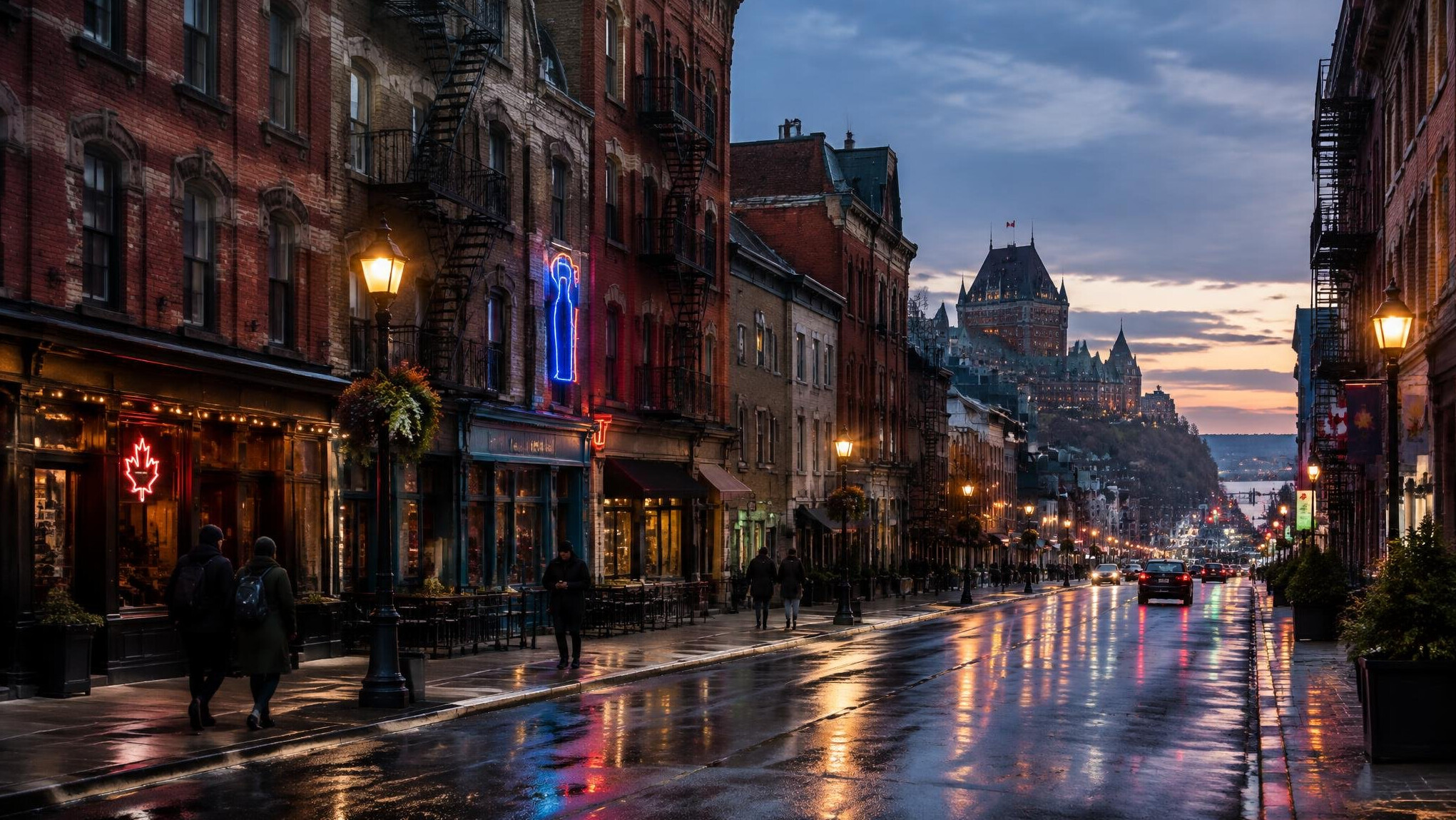
The people behind the lens.
A small crew of filmmakers, researchers and editors spending long weeks on the ground before a single frame is cut.
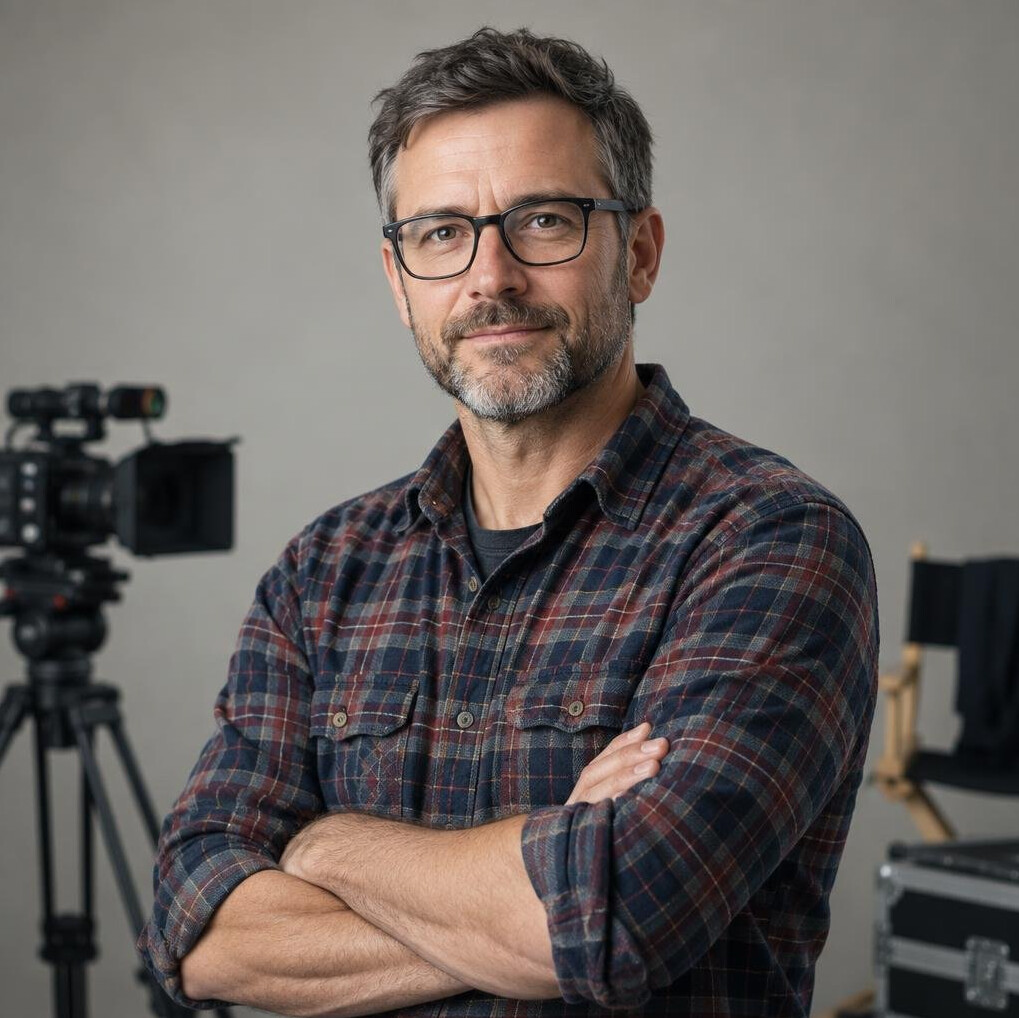
Callum Whitfield
Director
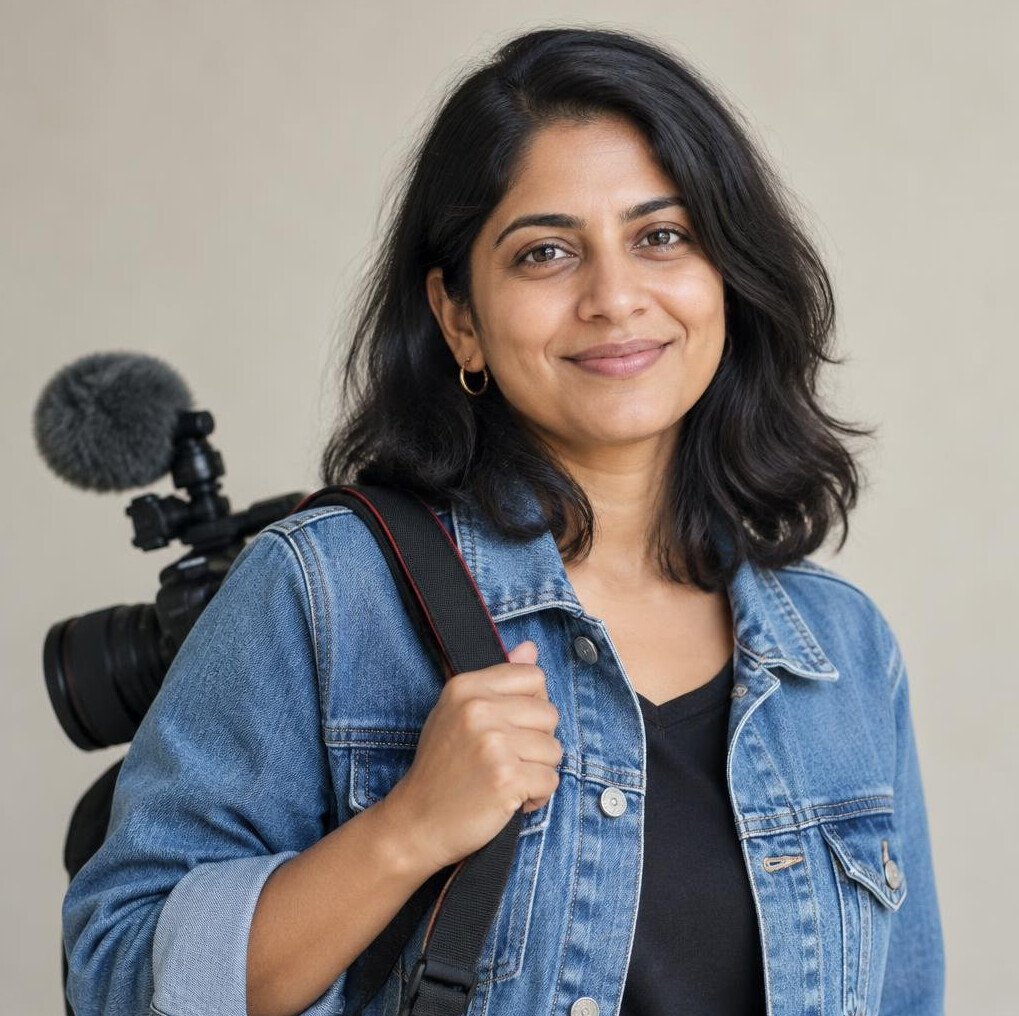
Ishani Kapoor
Filmmaker

Marcus Deveaux
Cinematographer

Naledi Bearclaw
Researcher & Writer

Camila Reyes
Producer & Archivist

Haruto Sato
Sound Designer
How each story comes together
The same four stages guide every project, whether it's a single storefront or a multi-part series on a changing neighbourhood.
- 01
Listening first
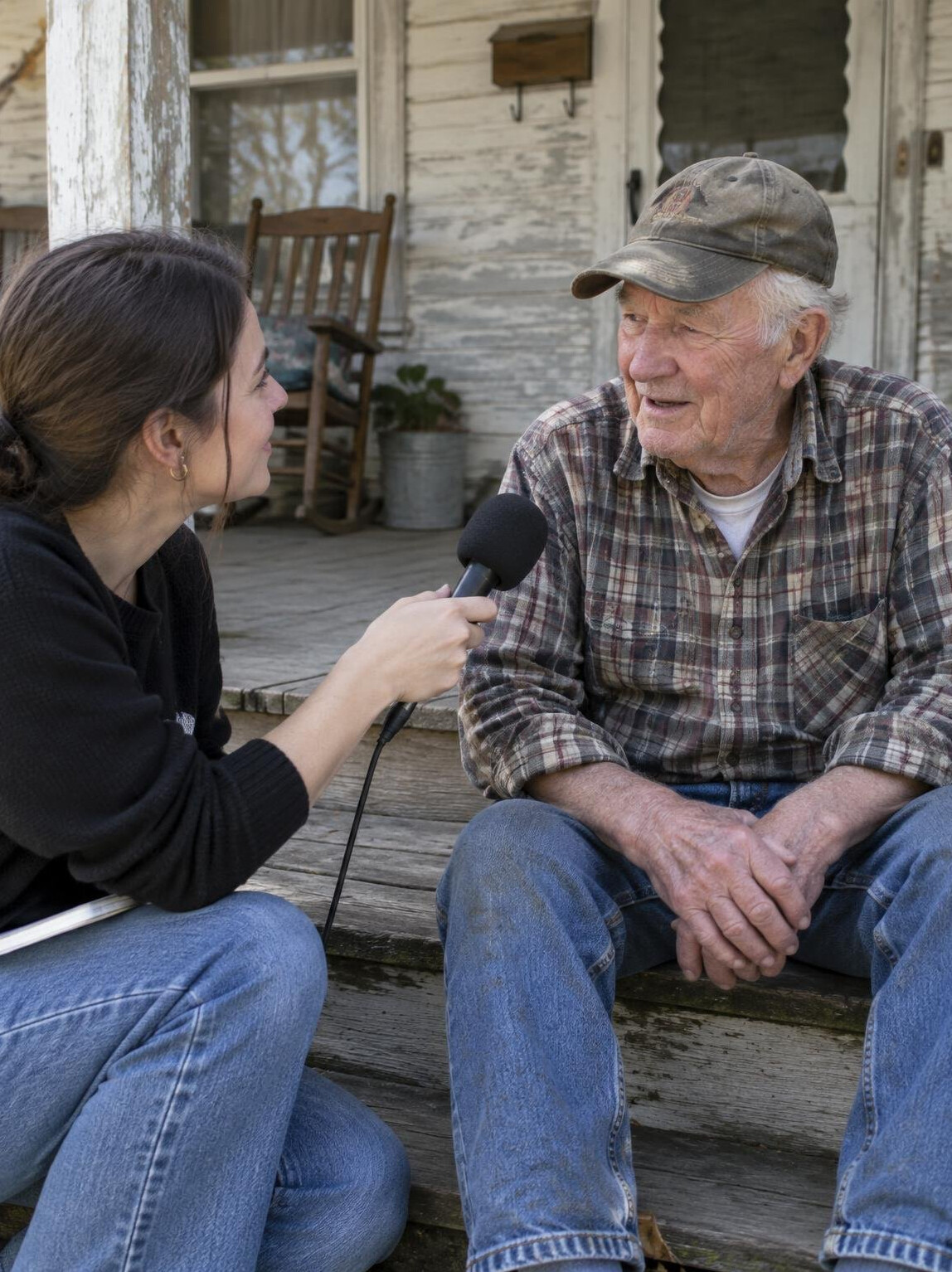
Every story starts with a conversation, not a camera — walking a block and hearing what people already know about it.
- 02
Walking the block
We spend days on foot, tracing a building's additions, alterations and the small signs of a former life.
- 03
Filming & recording
Interviews, ambient sound and long, patient shots — we let a place set its own pace rather than rushing it.
- 04
Weaving the narrative
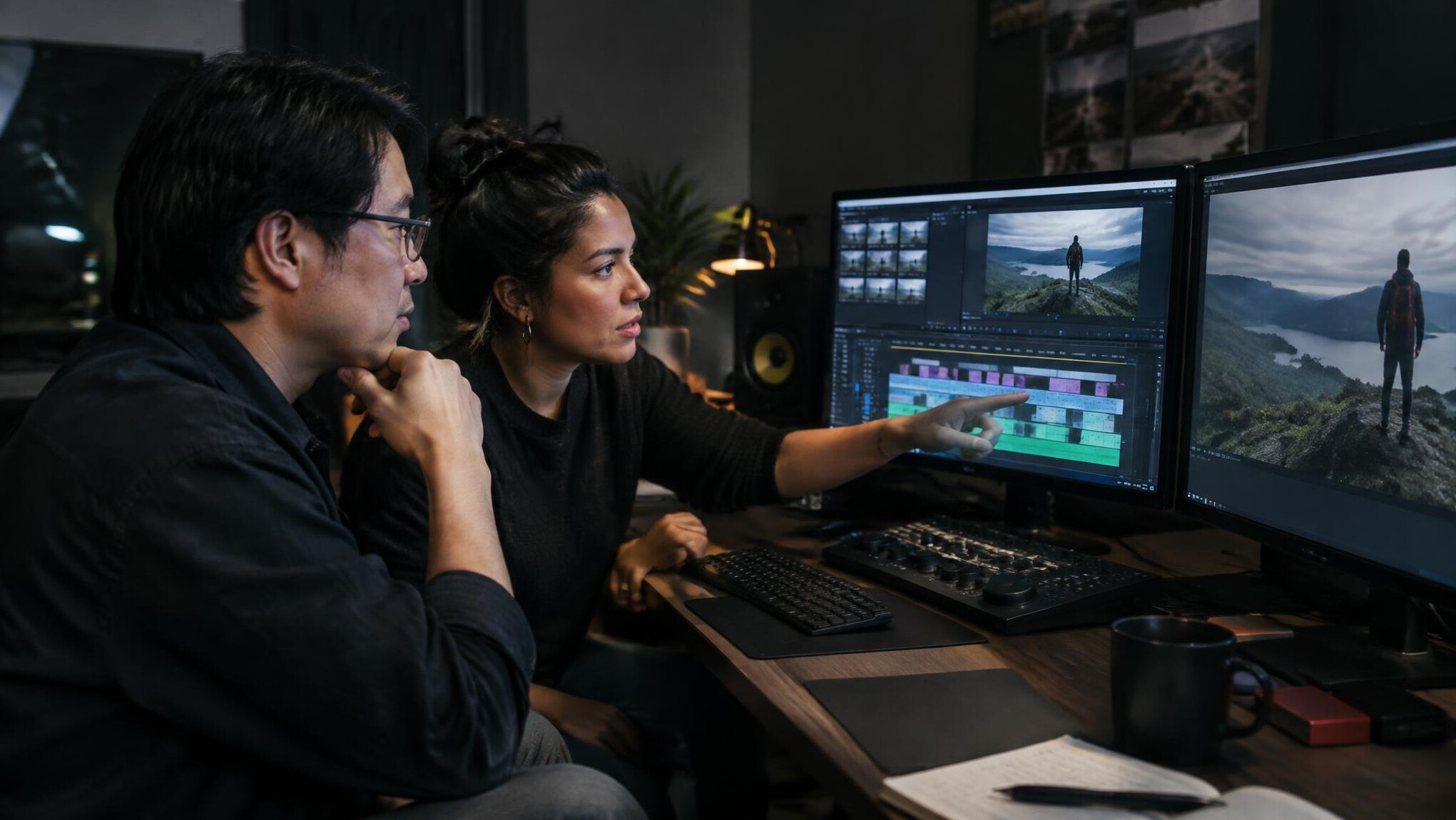
In the edit, we bring architecture, archive and voice together into a story that holds its own history.
Frequently asked questions
What kind of places do you cover?+
Buildings and blocks with a visible past — heritage storefronts, converted factories, rowhouses, vacant lots, and the everyday corners of Canadian cities that rarely make the news but shape how people live.
Do you only work in big cities?+
No. Some of our strongest stories have come from small towns and mid-size cities where a single building carries the memory of an entire street. We follow the story, not the population count.
How do you find the people in your stories?+
Mostly through time on the ground — knocking on doors, talking to shopkeepers, and following leads sent in by readers who know a place better than we ever could on a first visit.
Is every story about decline or loss?+
Not at all. We're just as interested in spaces that have been reclaimed, repurposed, or quietly kept alive by the people around them. Change, not just decay, is part of the story.
Can I suggest a location or a person to feature?+
Yes — that's how most of our stories start. Read our Story Submission Guidelines page for what we look for, then send the details through our Contacts page.
Stay with the stories
A short note whenever a new documentary story is ready — nothing more frequent than that.
What each story looks for
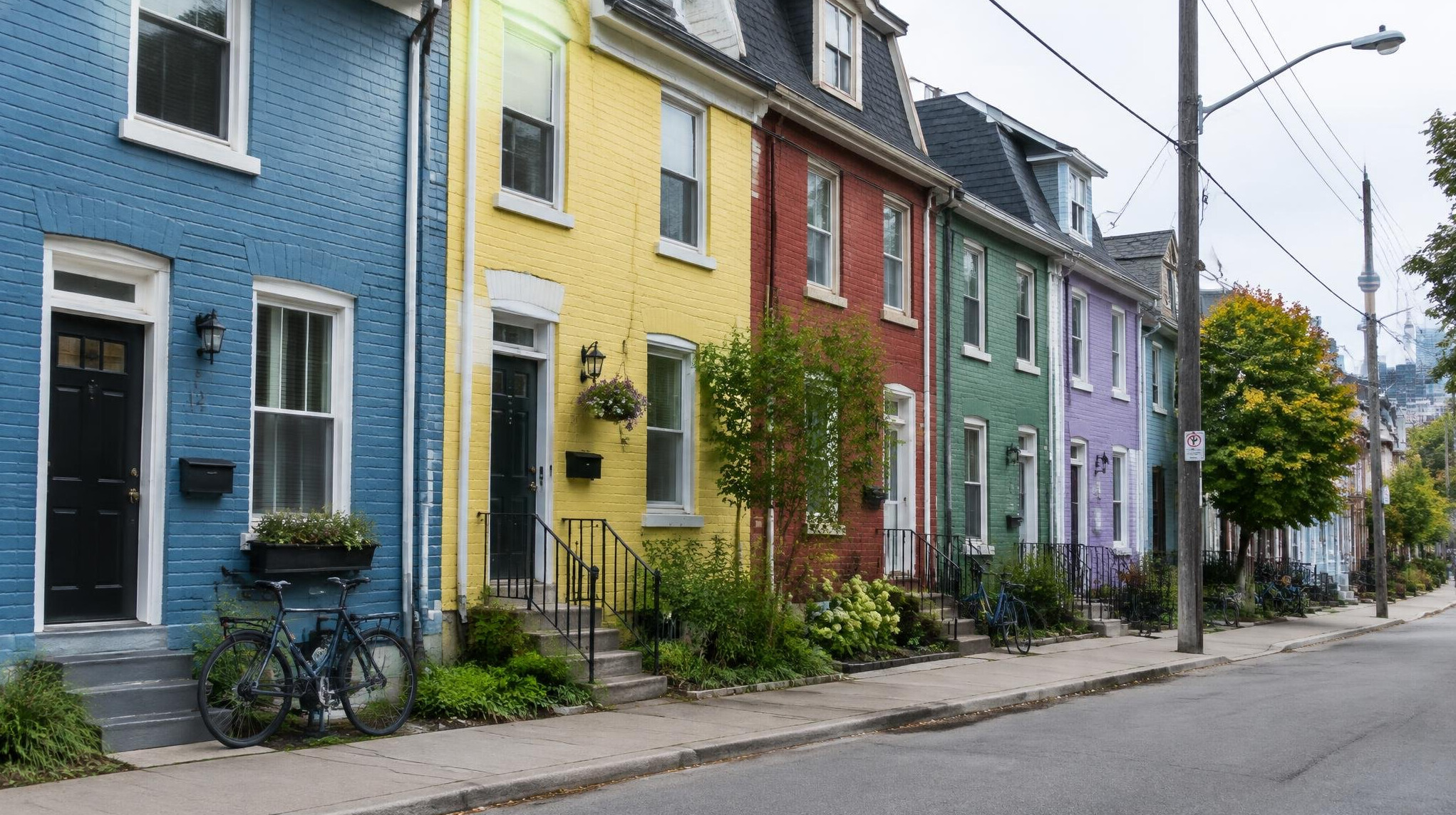
Overlooked architecture
The rowhouses, storefronts and additions that carry a neighbourhood's history in their details.
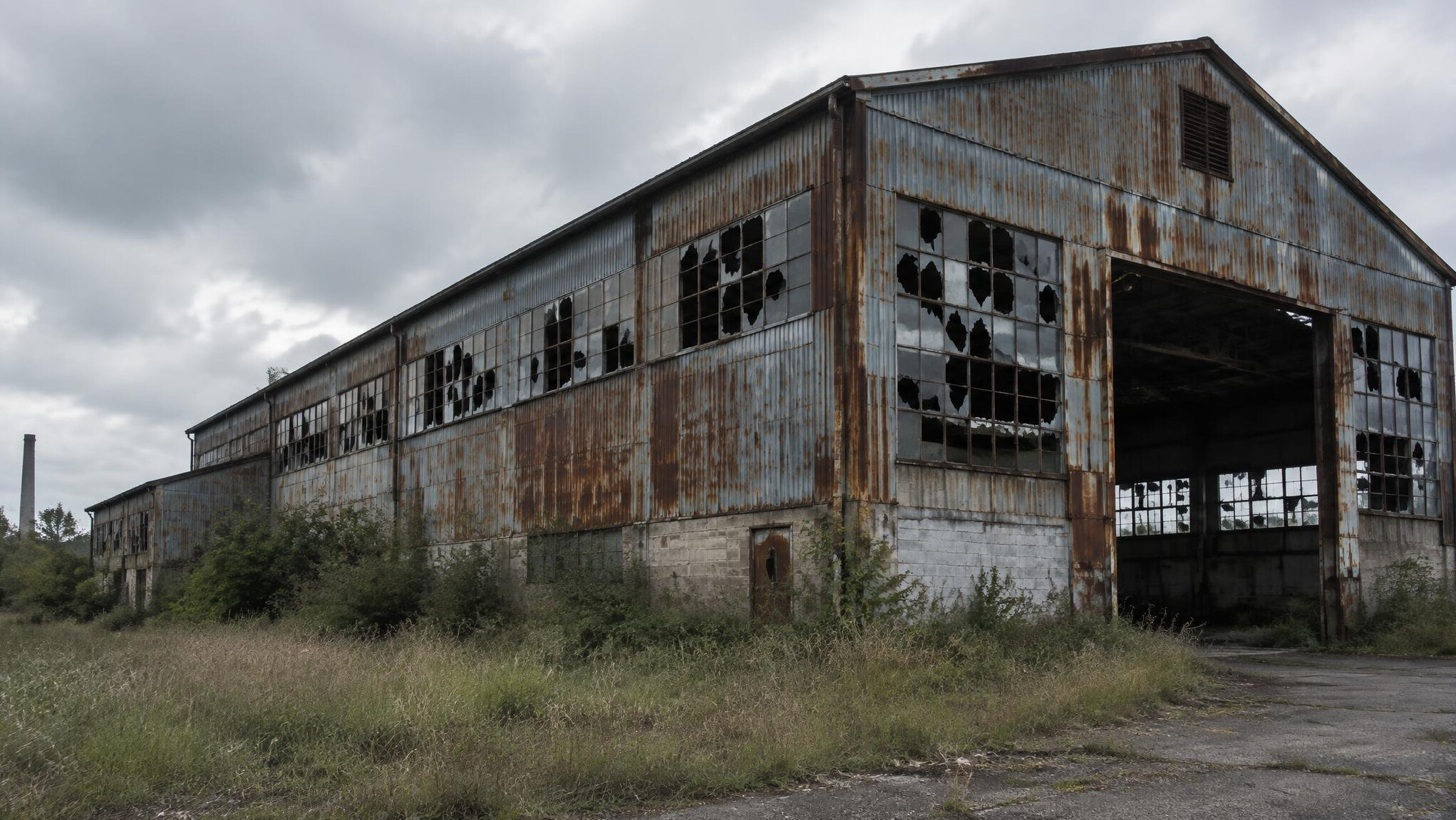
Neglected spaces
Vacant warehouses, closed mills and empty lots — and what they still mean to the people nearby.
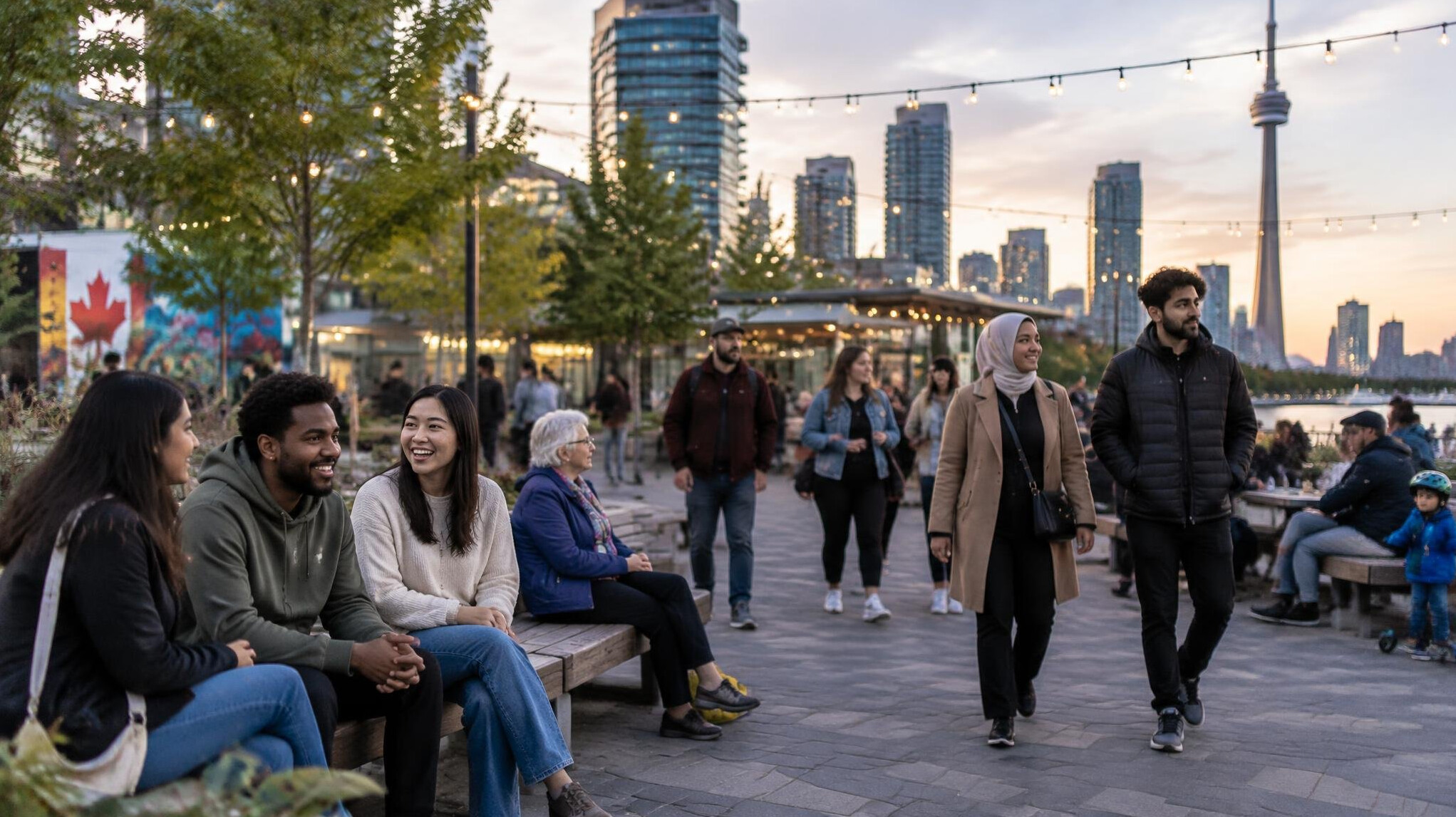
Everyday city life
The routines, gatherings and small rituals that make a block feel lived-in, not just built.
Explore by theme
Three threads run through nearly everything we produce.
Architecture
Reading a building's history through its brick, additions and repairs — from heritage storefronts to postwar towers.
City Life
Following the everyday habits, routes and rituals that give a Canadian street its own particular rhythm.
Neglected Spaces
Sitting with vacant lots, closed storefronts and quiet corners, and the people who remember what they used to be.
Behind the documentary
Most of the work happens off camera — long conversations on porches, hours of quiet observation, and even longer hours reviewing footage before a story finds its shape.
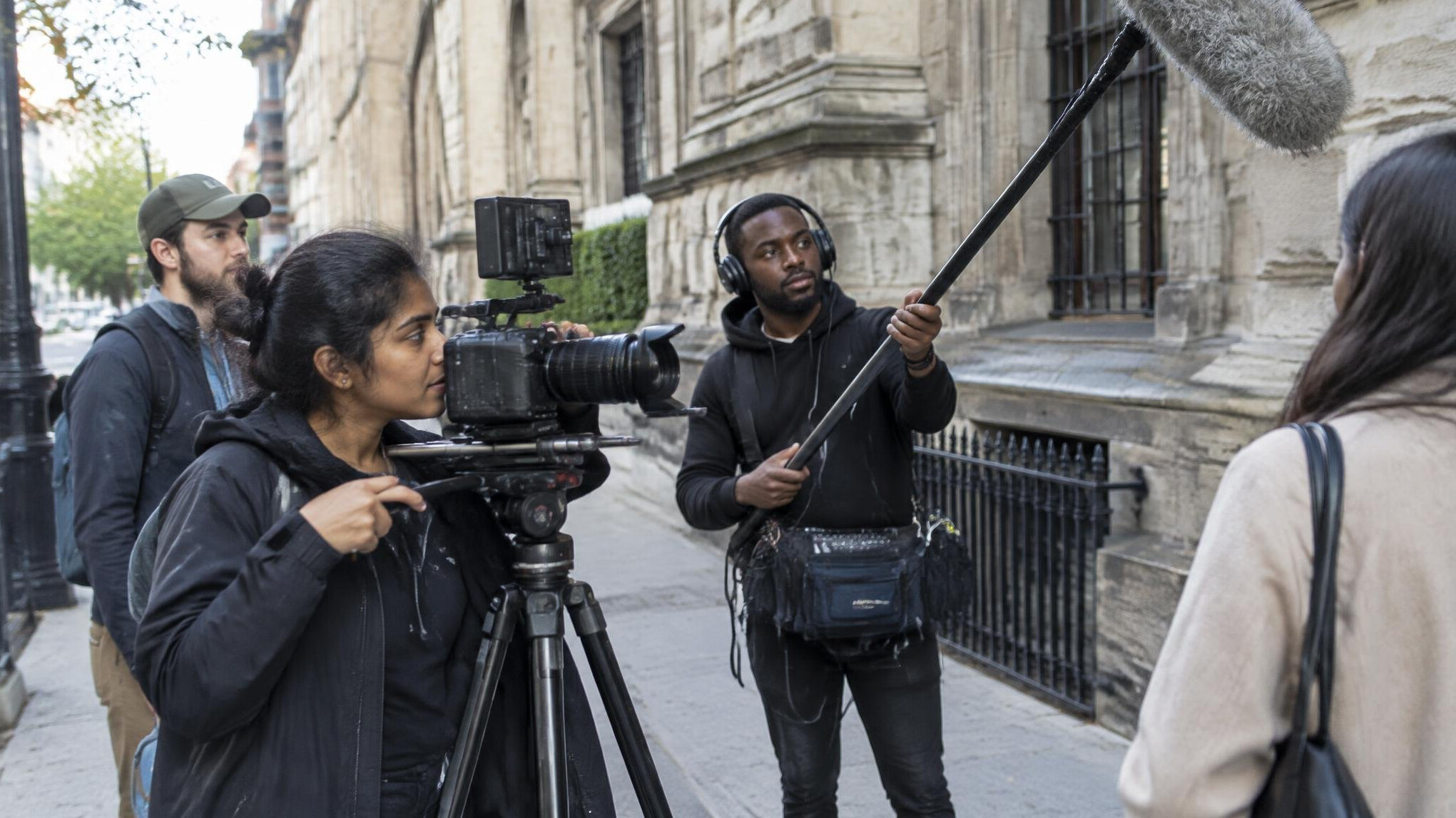
What guides our work
We listen before we film
No crew shows up before residents have had a real conversation with our team.
We take the time a place needs
Some stories take a week, others take a season. We follow the place, not a deadline.
Consent guides every frame
Everyone who appears in a story has agreed to be part of it, on their own terms.
We show complexity, not conclusions
Buildings and blocks rarely have a single story. We try to leave room for more than one.